
Best Diet Before Egg Donation
A healthy diet before egg donation plays a vital role in the success of the donation process. Maintaining hormonal balance and overall health, alongside effective weight management, is important in preparing the body for ovarian stimulation and egg donation by eating organic and healthy nutrients. It would help if you took care of your diet to support your body during ovarian stimulation and the egg donation procedure. In this guide to the best diet before egg donation, we discuss what to eat before donating eggs.
Best Foods to Eat Before Egg Donation
Egg donation is a medically assisted reproductive procedure involving ovarian stimulation, so following the best diet that supports good nutrition before egg donation means having a balanced and healthy diet to overcome common side effects as much as possible.
Proper nutrition supports overall health and helps the body handle the physical demands of egg donation, contributing to a healthy pregnancy. To promote the development of mature eggs, it’s important to follow a balanced diet before the procedure. Here are some essential foods and nutrients to include before donating your eggs.
Lean Meats for Vitamin B12 and Fertility Support
Lean meats provide vitamin B12, which supports energy levels and red blood cell production during ovarian stimulation. Vitamin B12 contributes to normal cellular function and helps reduce fatigue during medical treatments, making it an important part of the best diet before egg donation.
Adequate intake of vitamin B12 supports general reproductive health and overall wellbeing. We will mention some lean meats which have vitamin B12:
- Red meat
- Chicken
- Pork
- Salmon
- Turkey
For more information, Read:
Plant-Based Proteins to Strengthen Your Body
A vegan or vegetarian diet can be included in the best diet before egg donation because many plants have enough protein for your body. Protein plays a crucial role in supporting your reproductive functions, tissue repair, and helps maintain energy levels during the egg donation process.
Including a variety of plant-based protein sources alongside other nutrient-dense foods can support overall health before egg donation. There are some plants rich in helpful protein. You can replace animal protein with plant-based ones. There are some nutrients with plant-based protein, such as:
- Beans
- Quinoa
- Peanuts
- Tree nuts
- Peas
- Lentil
- Soybean
- Broad bean
- Gluten-free whole grains
Dark Leafy Greens for Immune Health
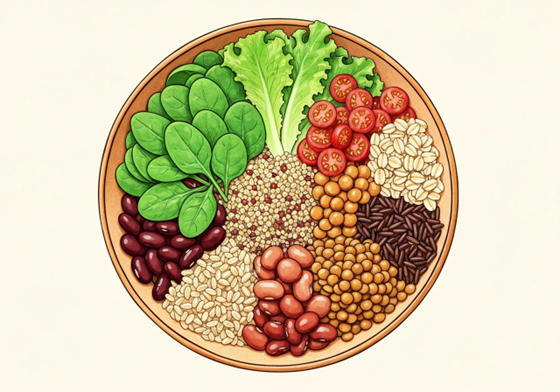
Dark leafy greens are rich in beta-carotene, antioxidants, and micronutrients that support immune health and are commonly recommended in the best diet before egg donation. The most useful dark leafy greens are:
- Kale
- Spinach
- Romaine lettuce
Bananas for Better Sleep and Comfort
Bananas contain nutrients such as potassium and vitamin B6, which support normal muscle and nerve function. Including bananas as part of a balanced diet may help maintain overall comfort and energy levels during the egg donation process. Their easy digestibility also makes them a suitable option for individuals experiencing mild digestive sensitivity during ovarian stimulation.
Berries to Reduce Inflammation
Berries have a high level of antioxidants to fight inflammation, making them a valuable addition to the best diet before egg donation.
- Cranberries
- Blackberries
- Blueberries
Pumpkin Seeds for Magnesium and Pain Relief
Pumpkin seeds are a natural source of magnesium, which supports muscle and nerve function.
Healthy Fats and Oils for Hormone Balance
Some essential fatty acids, fats and oil nutrients are appropriate for hormone production and regulation. Healthy fats are helpful for hormone synthesis and are a core element of the best diet before egg donation.
Healthy fats support normal hormone production and overall reproductive health. Remember, only healthy and plant-based fat and oils are helpful, not the fat stored in biscuits, cheese, chocolate, and other unhealthy foods.
Consuming healthy fats is beneficial as part of a balanced diet and supports long-term hormonal health. We will mention some plants with enough plant-based fat and oil.
- Avocado
- Olive oil
- Coconut oil
- Nuts
- Seeds
- Sesame
- Chia
- Flax seeds
- Peanut butter
Eggs as a Protein and Vitamin Source
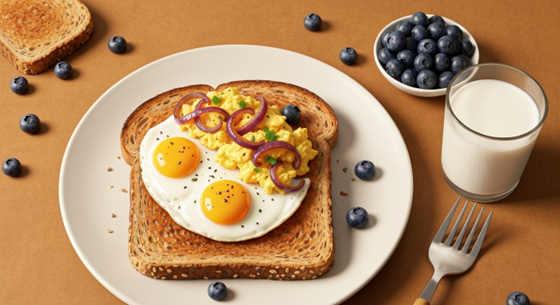
The egg is another vital nutrient in the best diet for an egg donor. Eggs are rich in protein and healthy fatty acids. Eggs are full of essential nutrients, such as vitamins A, B2, B12, and K, along with important nutrients like folic acid. These nutrients contribute to overall health and nutritional adequacy during the donation process.
Saltine Crackers for Sodium Support
Sodium is an essential electrolyte that helps maintain fluid balance in the body. Including a mild source of sodium, such as saltine crackers, can be helpful if you experience mild nausea or reduced appetite during the egg donation process. These easily digestible snacks provide gentle support without overloading your system.
Hydration Tips for Egg Donors
Proper hydration is a crucial part of preparing for egg donation. Staying well-hydrated supports hormone regulation, maintains healthy blood flow, and helps your body recover efficiently after the procedure.
Water: How Much You Should Drink Daily
Drinking enough water each day is essential for egg donors. Aim for about 2.5 to 3 liters of water daily, unless your doctor advises otherwise. Consistent hydration helps maintain overall body function, supports egg quality, and reduces fatigue during the donation process. Rather than drinking large amounts at once, it’s better to sip water throughout the day to stay hydrated without feeling bloated. A simple way to check hydration is by observing the color of your urine, pale yellow usually indicates adequate fluid intake.
Other Fresh Beverages: Fruit Juices and Coconut Water
In addition to water, fresh beverages can provide extra hydration and essential nutrients. Coconut water is rich in electrolytes like potassium and magnesium, which support your body’s balance and reduce cramping or fatigue. Fresh fruit juices, such as orange or watermelon juice, not only hydrate but also supply antioxidants and vitamins that can benefit reproductive health. Avoid beverages high in caffeine or added sugars, as they may contribute to dehydration and interfere with hormone balance.
By combining plenty of water with these fresh, nutrient-rich beverages, you can ensure your body is properly hydrated and better prepared for the egg donation process.
Meal Planning and Preparation Tips for Egg Donors Diet
Planning meals ahead can boost your nutrition as an egg donor. Meal prepping lets you choose healthy ingredients to support your body during this important time, particularly focusing on the diet before egg donation. Pick a day each week to cook in batches and portion meals into containers. This saves time and helps you avoid unhealthy choices when busy or tired. Include lean proteins, whole grains, fruits, and vegetables for balanced nutrition.
Make a shopping list based on your meal plan to avoid impulse buys. Keep healthy snacks like nuts or yogurt on hand to maintain energy throughout the day. Organizing your meals ensures you’re properly nourished, supporting both your well-being and the egg donation process.
Meal prepping before egg donation
Meal prepping is a smart way to support your nutrition before egg donation. Set aside time each week to plan and prepare meals with lean proteins, whole grains, and plenty of fruits and vegetables for optimal reproductive health. For example, cook a batch of quinoa with roasted veggies and grilled chicken or tofu, then portion it out for easy meals. Keep healthy snacks like nuts, cut-up veggies, and fruit ready to maintain energy throughout the day. Organizing meals in advance reduces stress and helps you stay committed to a diet that supports your health and egg quality.
Quick, egg donor–friendly meals
When time is of the essence, having quick and nutritious meal options can be a lifesaver for egg donors. Look for recipes that require minimal preparation but deliver maximum nutrition. Dishes such as stir-fries, salads, or one-pan meals can be both wholesome and speedy. For example, a stir-fry with a mix of colorful vegetables, lean protein like chicken or tofu, and brown rice can be cooked in under 30 minutes. Additionally, consider making smoothies packed with spinach, banana, and your choice of protein powder for a quick breakfast or snack option.
Utilizing slow cookers or instant pots can also simplify meal preparation. You can throw in your ingredients in the morning and have a nutritious meal ready by evening without the hassle of extensive cooking. By focusing on meals that are both quick and nutrient-dense, you can effectively support your body as you prepare for the egg donation process.
Foods and Habits to Avoid in an Egg Donor Diet
As we said, diet is vital in the donation egg process, so you must be cautious. Sharing diet information is your chosen clinic’s responsibility.
You must choose a well-experienced and professional clinic with enough diet information before egg donation. CarefulTrip is a medical tourism agency that helps you to find the best IVF clinics in Iran.
You only need to inform them about your aim. The experts will give you enough information on diets, benefits, processes, and success rates.
Besides things to eat before egg donation, there are some things not to eat! We will tell you more about these nutrients.
Caffeine: How It Affects Egg Donation
Caffeine will decrease the speed of the healing process and increase the risk of dehydration, so doctors don’t recommend drinking caffeine beverages or sugary drinks before donating eggs. If you get used to drinking caffeine drinks, stopping it for 4 weeks before donating your eggs is better.
Excessive caffeine intake may contribute to dehydration and is often limited during fertility treatments. Some beverages with caffeine are as below:
- Coffee
- Black tea
- Cola soda
- Energy drinks
Alcohol: Risks and Why to Stop Before Donation
Another beverage to avoid is an alcoholic one. Alcohol may interfere with medication metabolism and is commonly discouraged before egg donation. In addition, alcoholic beverages can cause some issues with anesthesia and pain medication, so it’s important to communicate with your medical team about your consumption.
Egg donors who drink alcoholic beverages have less chance of pregnancy via the medical process. We recommend you stop drinking alcoholic drinks one month before donating your eggs.
Refined Carbohydrates and Added Sugars to Avoid
Carbohydrates are essential nutrients for a healthy body, but you must refrain from gaining artificial carbohydrates because highly refined carbohydrates may cause rapid blood sugar fluctuations and provide limited nutritional value. Additionally, it’s important to avoid trans fats, as they can contribute to unhealthy dietary habits.
You will gain power only for a short time after eating unnatural carbohydrates.
They may have more calories, but they are artificial sweeteners. Excess intake of refined carbohydrates may contribute to metabolic imbalance and disrupt the successful egg donation process. It is better to eat natural carbohydrates in your diet. Some artificial carbohydrates sources are:
- Refined sugar
- Corn syrup
- White flour
- White rice
Diets high in refined sugars may increase the risk of metabolic disorders over time. Also, it may cause diabetes and high blood pressure, which reduce the chance of pregnancy.
For more information, read:
Supplements and Lifestyle Considerations Before Egg Donation
Before undergoing egg donation, it’s essential to consider both dietary supplements and lifestyle practices that can enhance your overall health. Supplements like prenatal vitamins and omega-3 fatty acids are often recommended to help ensure that your body is receiving the necessary nutrients that support egg quality and reproductive health. These nutrients can play a crucial role in hormonal balance and reducing inflammation, both of which are important factors in the egg donation process. Always consult with your healthcare provider before starting any new supplements to determine what is best suited for your individual needs.
In addition to supplements, adopting a balanced lifestyle is vital. Engage in regular physical activity, practice stress management techniques such as yoga or meditation, and ensure you are getting enough sleep. These lifestyle considerations not only improve your physical health but also contribute positively to your emotional well-being, which can be particularly important during the egg donation journey. By paying attention to both your diet and lifestyle, you can create a supportive environment for your body as it prepares for the donation process.
Frequently Asked Questions (FAQ) About Diet Before Egg Donation
What is the best diet before egg donation?
The best diet before IVF treatment and egg donation includes lean meats, plant-based proteins, dark leafy greens, berries, eggs, healthy fats, and adequate hydration. These foods support hormonal balance, improve egg quality, and prepare your body for a successful donation.
Which foods should I avoid before donating eggs?
Egg donors should avoid caffeine, alcohol, refined sugar, white flour, and processed foods as part of healthy eating habits. These can affect hydration, hormone balance, and egg quality, potentially lowering the success rate of donation.
How much water should I drink before egg donation?
Egg donors should aim for about 2.5–3 liters of water daily. Proper hydration supports hormone regulation, improves egg health, and helps support blood flow to reproductive organs, reducing fatigue during the donation process.
Are plant-based proteins enough for egg donors?
Yes, plant-based proteins such as lentils, quinoa, beans, peas, and nuts, along with lean proteins, provide essential amino acids, support blood health, and maintain energy levels, making them excellent alternatives to animal protein.
Can healthy fats improve egg quality?
Absolutely. Healthy fats from avocado, olive oil, flax seeds, chia seeds, and salmon support hormone production and help maintain the integrity of egg membranes, enhancing fertility outcomes and potentially reducing the risk of heart disease.
Can hydration affect egg donation success?
Yes. Staying hydrated improves blood flow, supports hormone function, and enhances the body’s recovery during and after the egg donation procedure.
Should I take supplements before donating eggs?
Many clinics recommend prenatal vitamins, folate, and vitamin D to support egg quality. However, always consult your fertility specialist or CarefulTrip experts before starting any supplements.
Is it safe to try losing weight or dieting aggressively before egg donation?
It’s generally recommended to maintain a balanced diet and avoid drastic weight loss, as it can impact your body’s health and the quality of the eggs. Always consult with a healthcare professional for personalized advice.
Should I follow a special exercise routine along with a diet before becoming an egg donor?
Yes, following a special exercise routine alongside a balanced diet can be beneficial before becoming an egg donor. Regular physical activity helps maintain a healthy weight, reduces stress, and improves overall well-being, which are all important factors during the egg donation process.
Choosing the Right Clinic and Diet Guidance
Preparing for egg donation goes beyond diet and hydration, it also requires guidance from experienced medical professionals to ensure the general health of donors. This is where CarefulTrip comes in. As a premier medical tourism agency, CarefulTrip connects international patients with top-tier fertility centers in Iran, including the MOM Infertility Center, renowned for its advanced assisted reproductive technologies and high success rates. From pre-arrival consultations and personalized diet guidance to coordinating doctor visits, transportation, and accommodation, CarefulTrip ensures every step of your egg donation journey is smooth and stress-free. By combining professional medical care with comprehensive support services, CarefulTrip helps donors and patients optimize their health, follow the best nutritional practices, and increase the likelihood of a successful procedure, all while experiencing world-class facilities and expert care.
For more details, you can explore:
Final Words on Diet Before Egg Donation
A healthy diet before egg donation plays a key role in supporting your body, balancing hormones, and improving egg quality, thereby enhancing your chances of conception. Focusing on nutrient-rich foods, staying hydrated, and avoiding caffeine, alcohol, and refined sugars can help prepare your body for ovarian stimulation and the donation process.
Working with experts like CarefulTrip ensures your diet and overall preparation are tailored to your needs. By combining professional guidance with mindful nutrition, you give your body the best chance for a successful and smooth egg donation journey, as proper nutrition is essential for the development of the neural tube during this process.
For more information, read:
References
- Harvard T.H. Chan School of Public Health. Omega-3 Fats. (Link)
- Harvard T.H. Chan School of Public Health. The Fertility Diet: Groundbreaking Research Reveals Natural Ways to Boost Ovulation and Improve Fertility. (Link)
- Chavarro JE, et al. Diet and Lifestyle in the Prevention of Ovulatory Disorder Infertility. Obstetrics & Gynecology. 2007. (Link)
- Chavarro JE, et al. Protein Intake and Ovulatory Infertility. American Journal of Obstetrics and Gynecology. 2008. (Link)
- National Center for Biotechnology Information (NCBI). Diet, Inflammation, and Female Reproductive Health. (Link)
- National Center for Biotechnology Information (NCBI). Nutrition and Its Role in Fertility and Reproductive Outcomes. (Link)
- Centers for Disease Control and Prevention (CDC). Healthy Eating for a Healthy Weight. (Link)
- National Health Service (NHS). Foods to Avoid During Pregnancy and Fertility Treatment. (Link)